


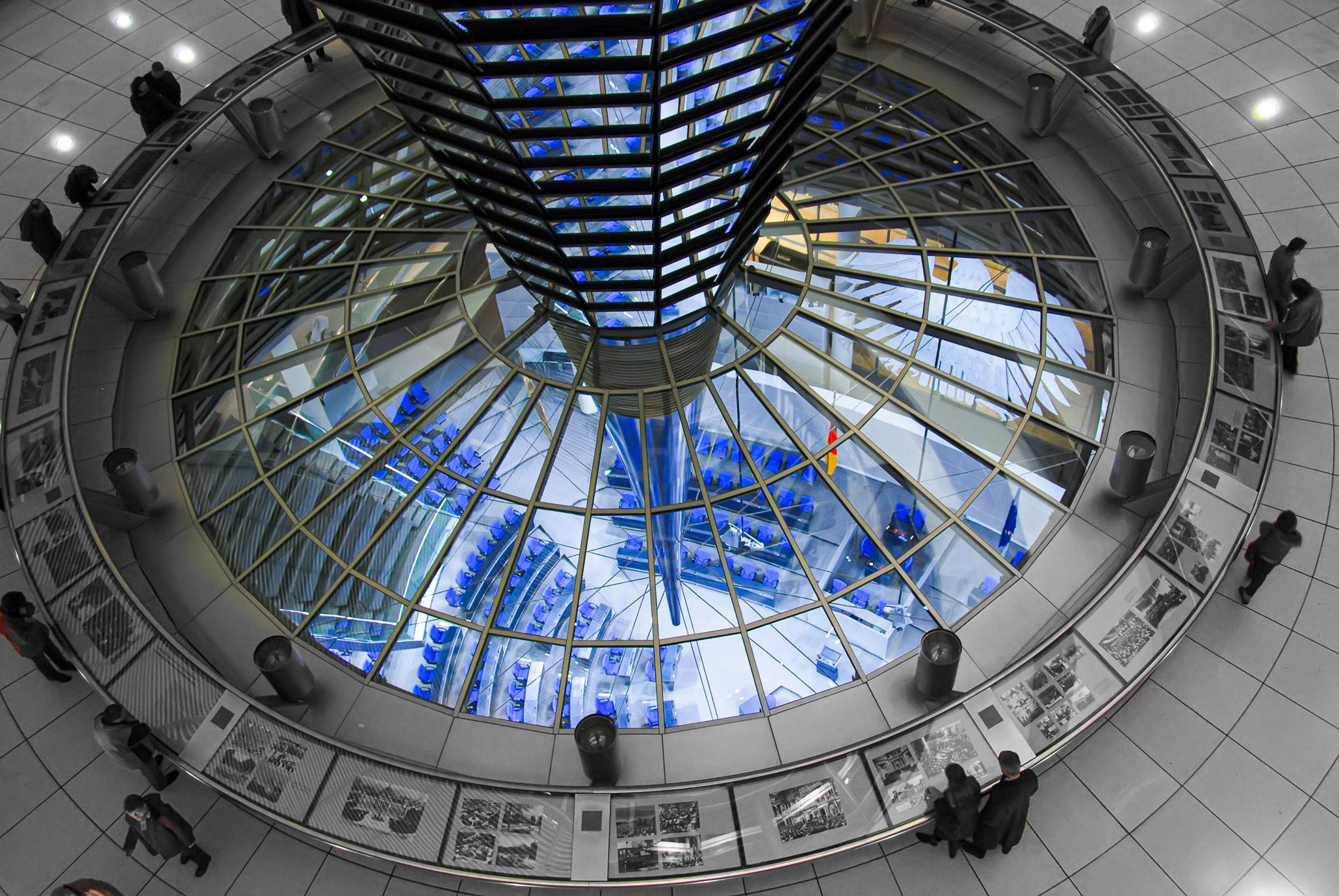
Today, October 3rd, is the German Unity Day, or “Tag der deutschen Einheit”, as it is called in our language. It commemorates our countries reunification in 1990, when the German Democratic Republic (East Germany) ceased to exist and joined the Federal Republic of Germany (West Germany), so that for the first time since 1945 there existed a single German state. German Unity Day on 3 October has been our national holiday since 1990, when the reunification was formally completed.
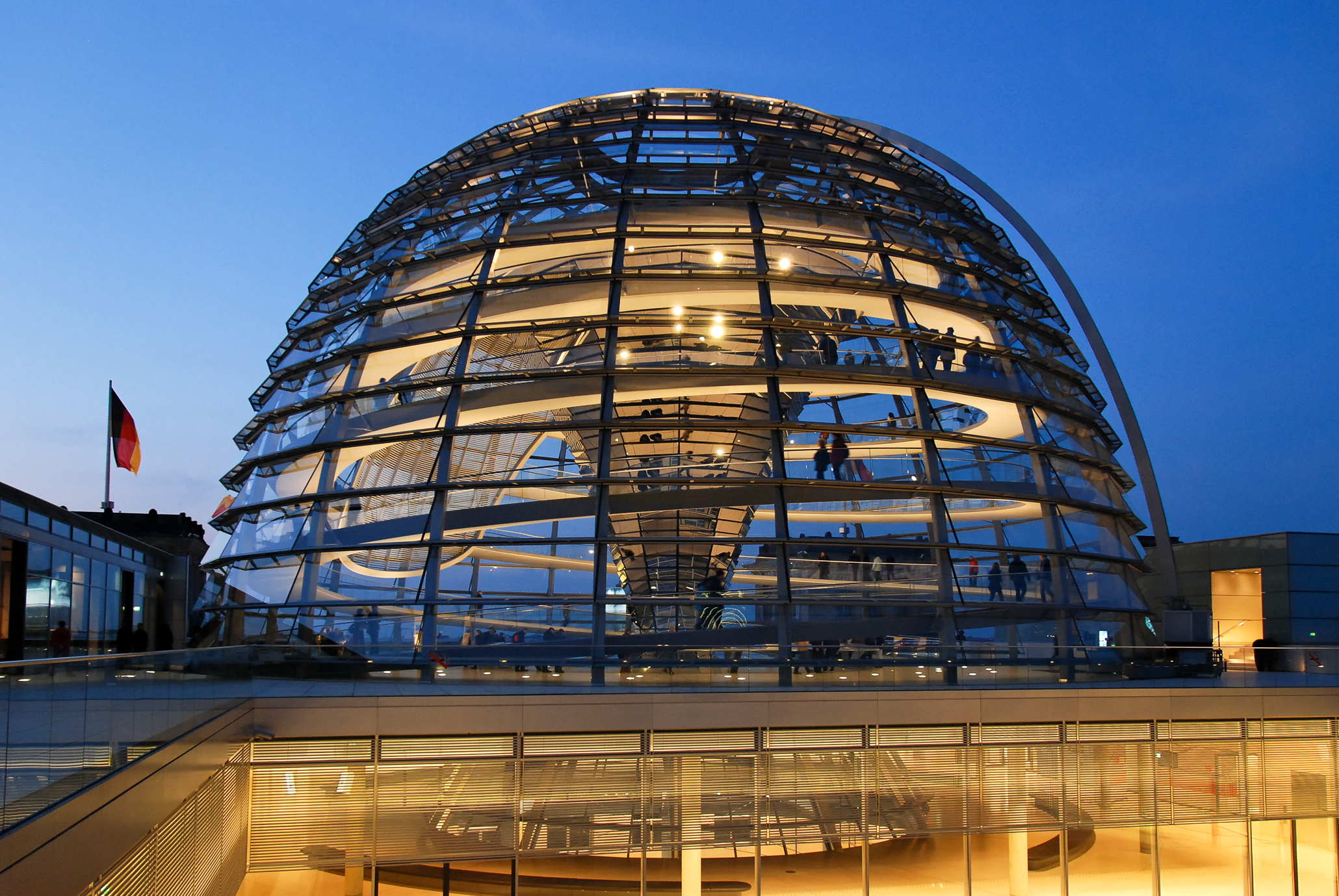
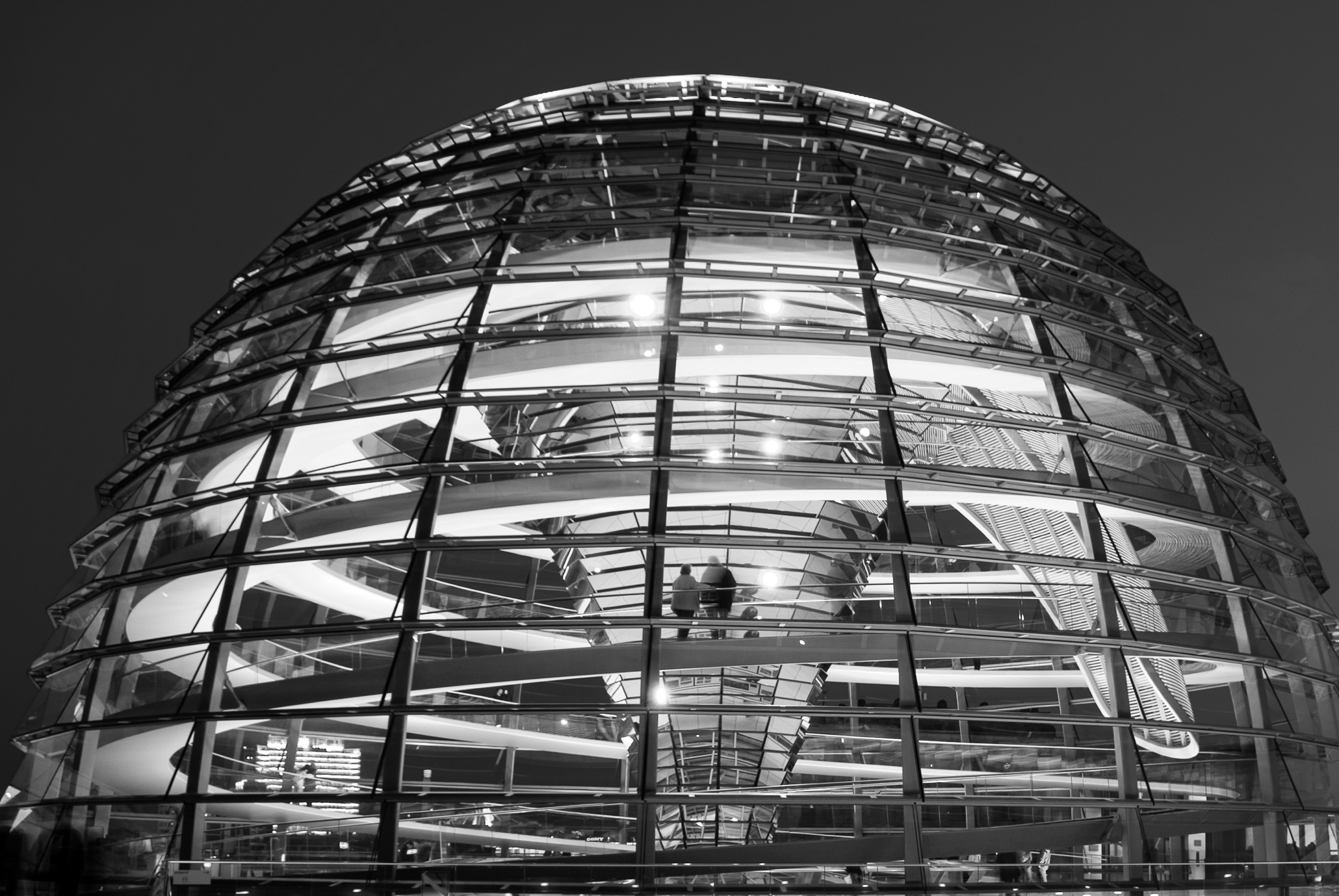
In this post I share some (vintage) images from the Reichstag dome on top of our national parliament building in our capital Berlin. Continue after the jump for its history and some more image, taken back in 2007 and 2008 with a Nikon D80 – remember the old days 😉 ?

With the reunification of Germany and the decision to move the capital from Bonn back to Berlin, it was also decided that the original Reichstag building should be rebuilt along with a new dome that emphasized a unified Germany. Architect Norman Foster won a commission to design and rebuild the Reichstag in 1993.
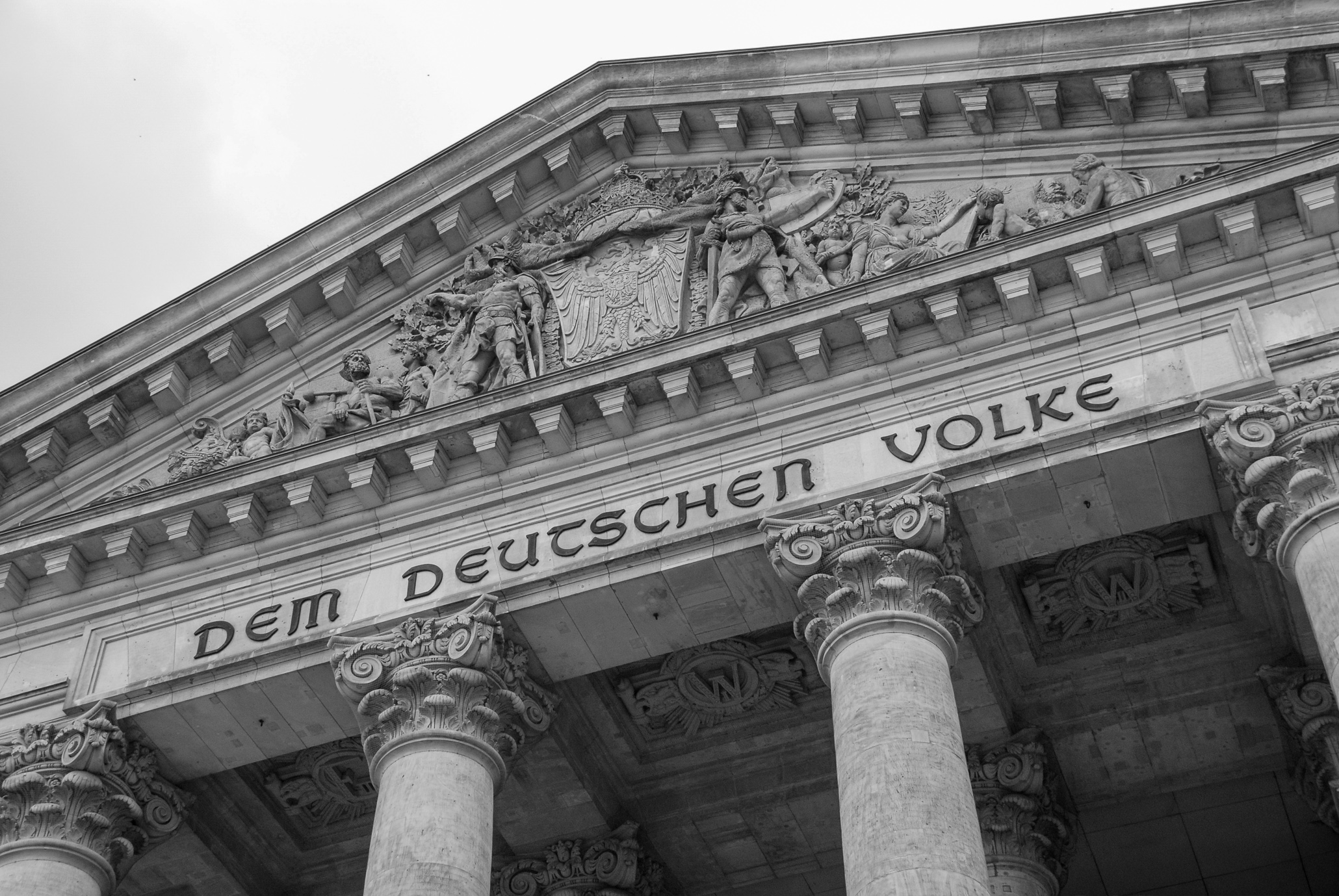
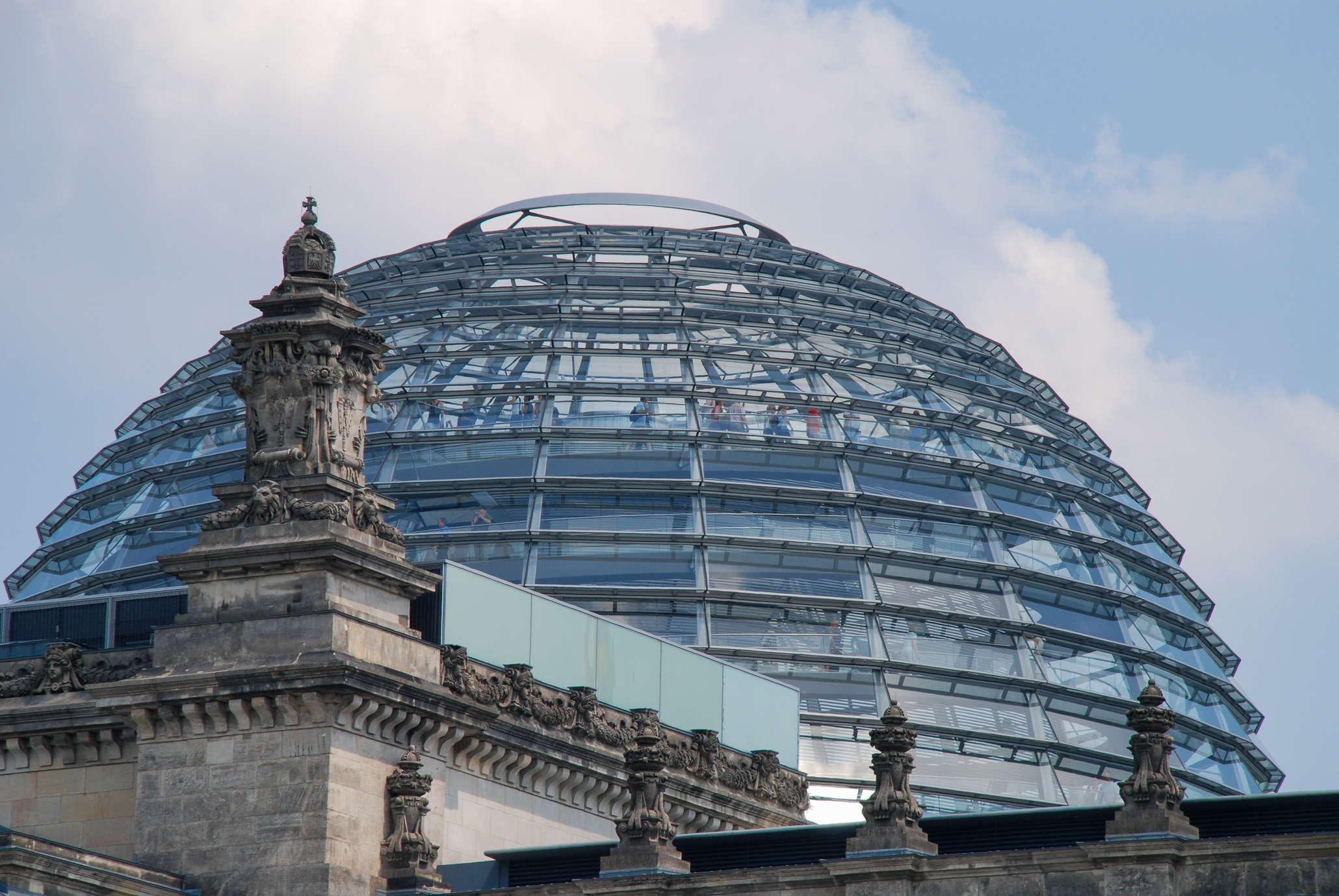
The design of the dome was at first controversial, but has quickly become one of Berlin’s most important landmarks. It was inspired by a design from Gottfried Böhm, who had previously suggested a cupola of glass with visitors walking on spiral ways to the top in 1988. His design was added to the information of the competition in 1992, which was won by Foster. Later the parliament decided that a cupola had to be built. Foster reused the idea of a spiral walkway within a conical structure for his design for the London City Hall some years later.
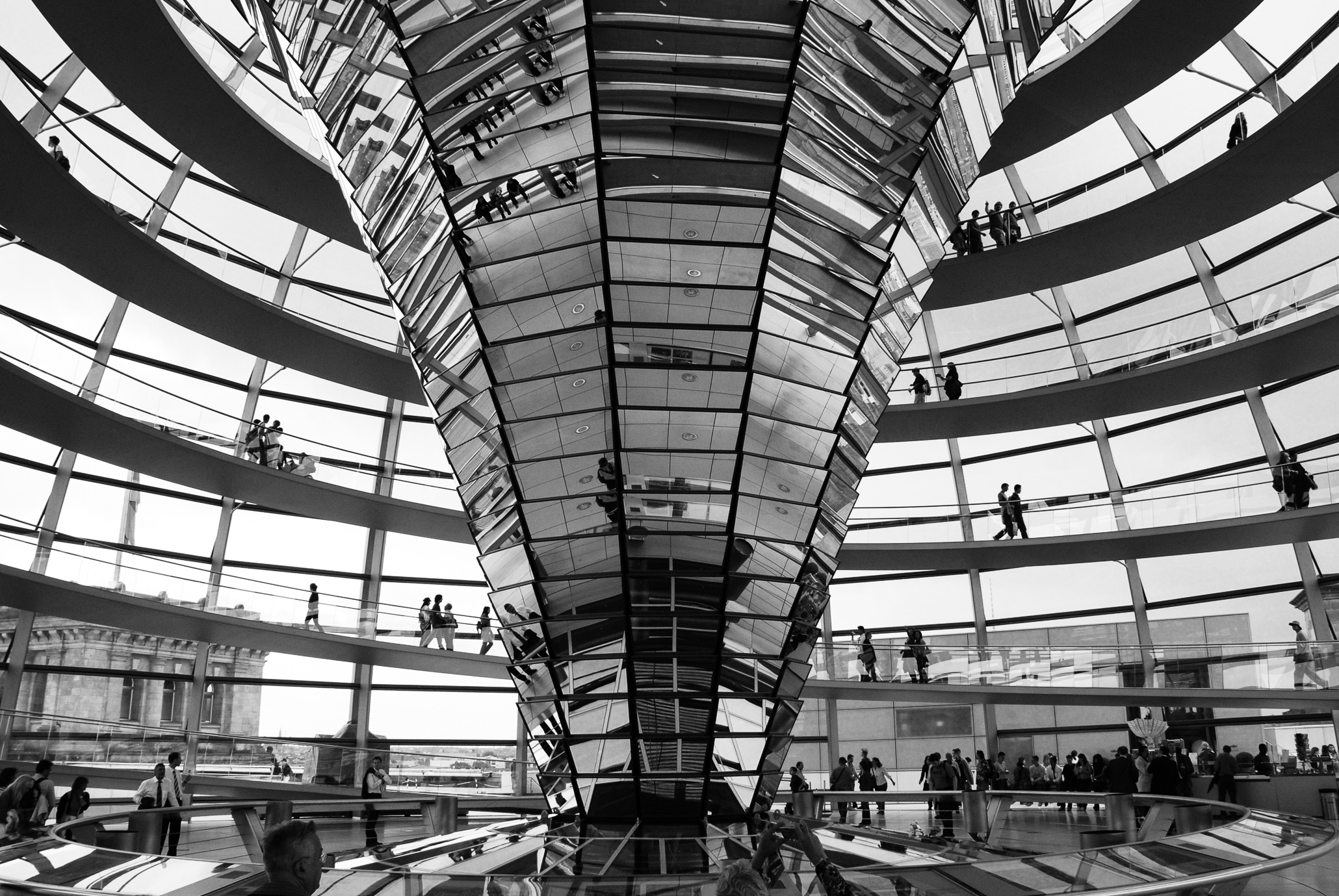
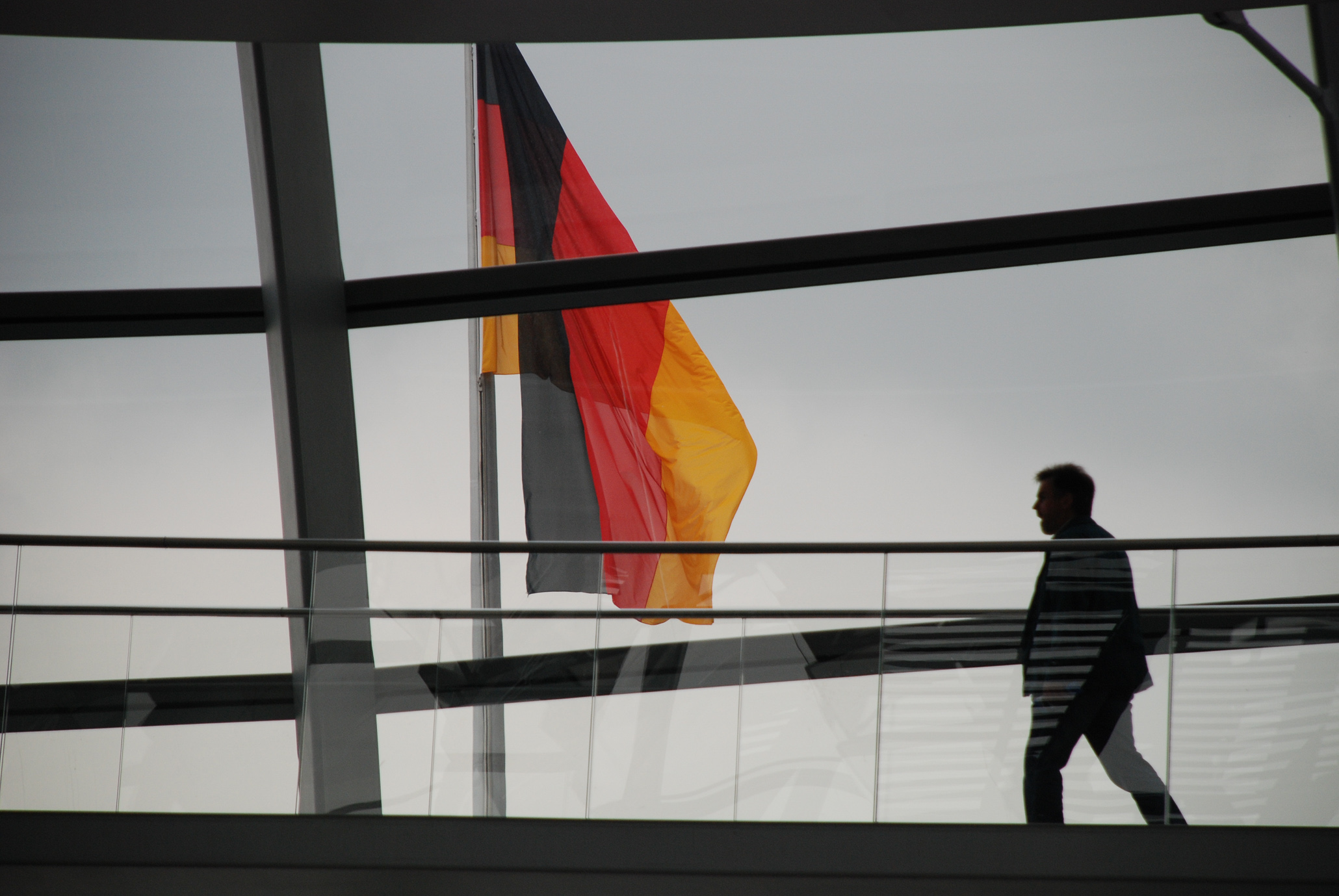
The Reichstag dome is a large glass dome with a 360° view of the surrounding Berlin cityscape. The debating chamber of Germany’s parliament, the Bundestag, is visible directly below. A mirrored cone in the center of the dome directs sunlight into the building. Below, visitors can see the working of the chamber. The dome is open to the public and can be reached by climbing two steel spiralling ramps reminiscent of a double helix.
The glass dome was also designed by Foster to be environmentally friendly and energy efficient. It allows daylight to shine through the mirrored cone. The use of artificial lighting is significantly reduced, and thus so are carbon emissions. A large sun shield tracks the movement of the sun electronically and blocks direct sunlight which, would not only cause large solar gain, but also dazzle those below.
The futuristic and transparent design of the Reichstag dome is intended to symbolize Berlin’s attempt to move away from a past of Nazism and instead towards a future with a heavier emphasis on a united, democratic Germany. Specifically, it symbolizes that the people are above the government, as was not the case during the Nazi terror regime.


Tomorrow, The Significant Other and I will head to our Nation’s Capital for a week. We want to visit friends and do some sightseeing. Among our plans is also a visit to the Reichstag and visiting a live session of our parliament that can be experienced from a visitors gallery.
Photos taken more than a decade and a half ago with a Nikon D80. Post processing in Lightroom Classic (today’s version).
Have a great Friday
Marcus
Related Posts: