


Time to start the photographic recap of our recent trip to Seville Spain. The first post is about an impromptu Flamenco session we witnessed when strolling though the Plaza de Espana. For a bit of background about Flamenco and some more images continue after the jump…


Flamenco is a genre of music, dance, and song that originated in the Andalusia region of southern Spain. It is characterized by its strong, rhythmic footwork, passionate vocals, and intricate guitar playing.
Flamenco has its roots in the cultural melting pot that was Andalusia in the 15th century. The music and dance of the region were influenced by the gypsies who had settled there, as well as by the Jewish and Muslim communities that had been expelled from Spain during the Inquisition.
The basic elements of Flamenco include the guitar, the vocals, the dance, and the rhythm, which is often provided by handclaps or percussion instruments like the cajón. The guitar is a key component of Flamenco music, providing both melody and rhythm. The vocals are often characterized by a raw, emotive quality, with the singer delivering heartfelt lyrics that often deal with love, loss, and longing.


Flamenco dance is known for its strong, expressive footwork, which is usually accompanied by fluid, graceful arm movements. Dancers often wear colorful costumes and use castanets or fans to accentuate their movements.
Over the years, Flamenco has evolved and adapted to incorporate influences from other cultures and musical styles, but it remains a vibrant and important part of Spanish culture. Today, people from all over the world enjoy flamenco, both as a form of entertainment and as a way to connect with Spanish culture and history.

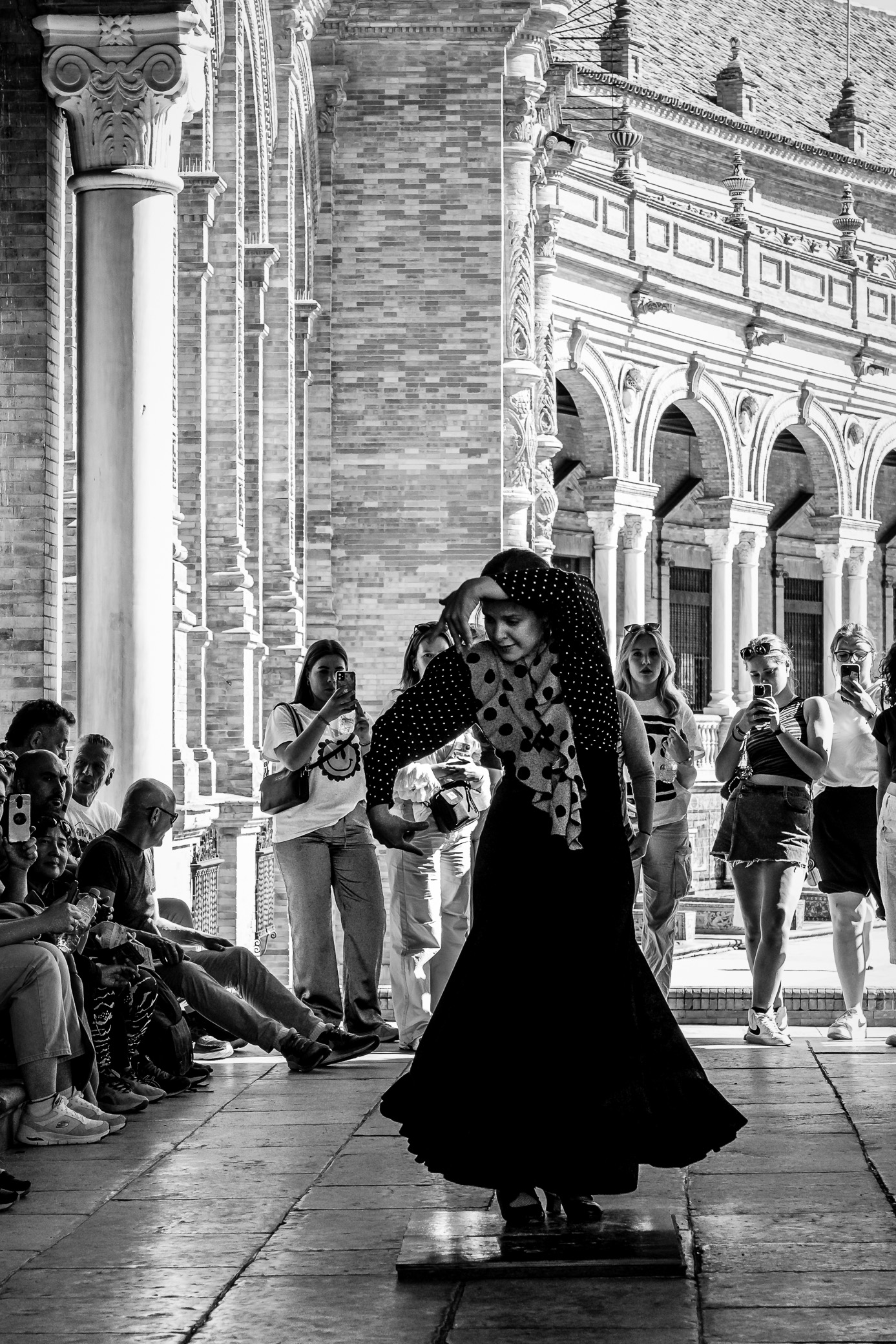
Three of the photographs were taken with the Leica SL2-S and the Vario-Elmarit-SL 1:2.8/24-70 ASPH, one with the iPhone 14. Can you tell which? I think the difference in image quality is obvious. Post-processing (monochrome conversion) in Lightroom CC.
Wish you a great start into the Easter weekend!
Marcus
Related Posts: