
The Significant Other and I have spent the days before Easter down at our Southern Home in Genoa. Last time we were there we visited the photo exhibition Children by Steve McCurry. The same venue, Genoa’s Palazzo Ducale, now features another of my hero photographers of whom I own various books, Brazilian born Sebastião Salgado. Another week, another exhibition. Join me for a visit of the splendid exhibit “Aqua Mater”, combined with some in-show street photography….
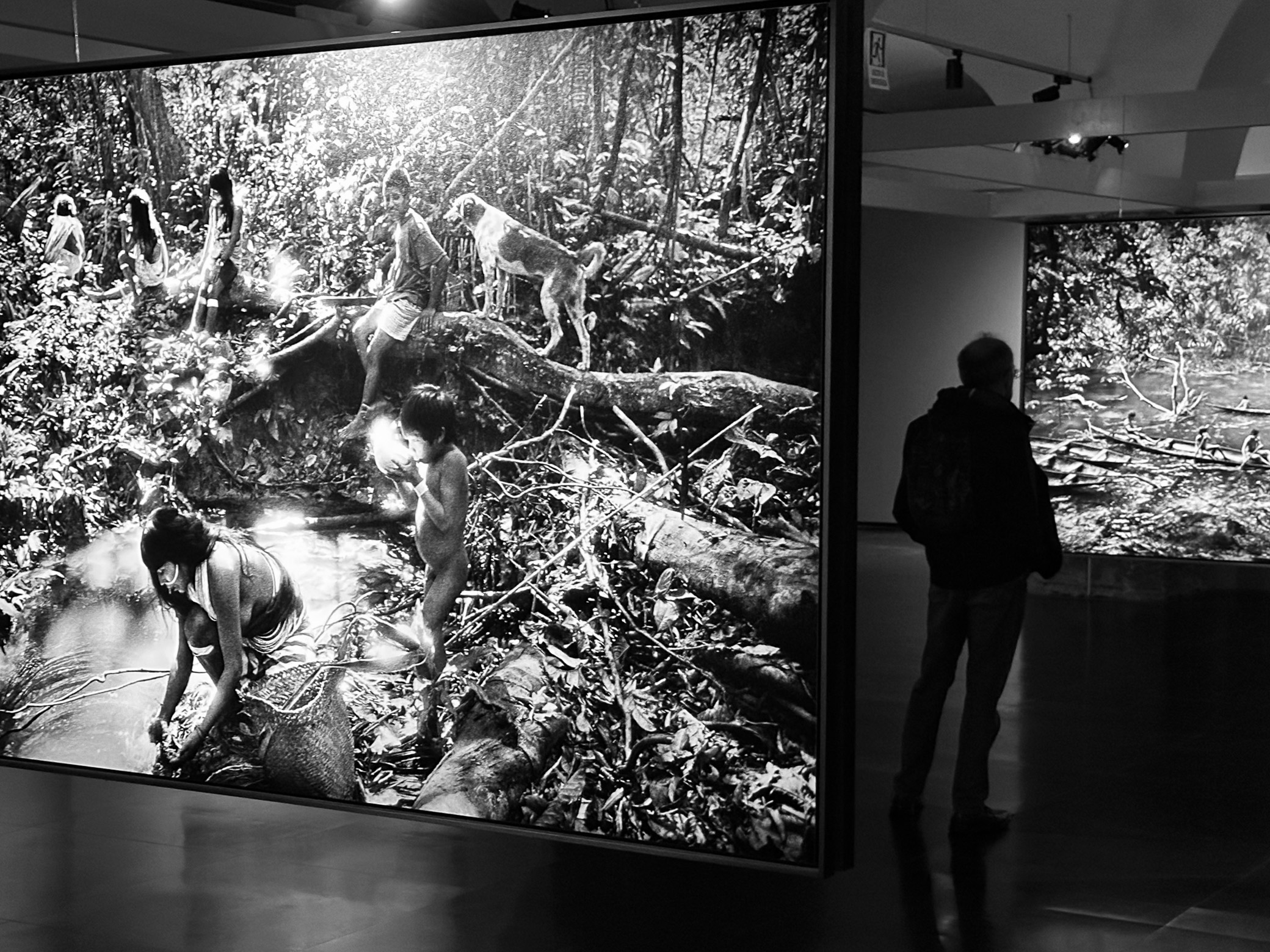
Sebastião Salgado has made a profound impact with his striking black-and-white photographs that poignantly capture the lives of individuals across the globe enduring some of the harshest conditions imaginable. Born into the world on February 8, 1944, in Aimorés, Minas Gerais, Brazil, Salgado’s initial career path led him to economics, where he secured a master’s degree from the University of São Paulo and subsequently worked for the International Coffee Organization. It was during this period, amidst his economic endeavors, that Salgado discovered a fervent passion for photography, a discovery that would eventually see him pivot to pursuing photography full-time in the early 1970s.
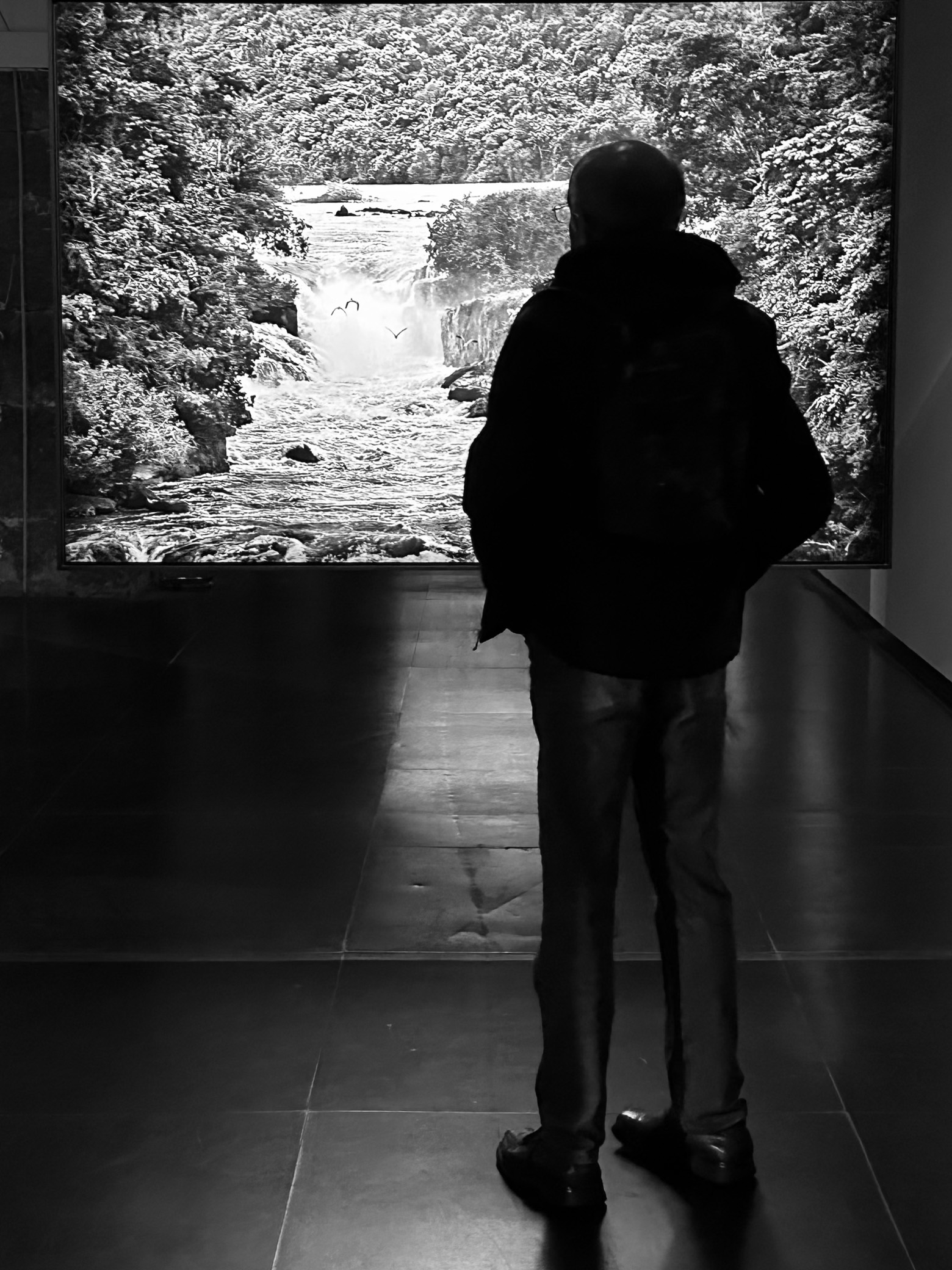
Salgado’s photography, deeply rooted in social documentary, is renowned for its unflinching focus on human adversity and resilience. His extensive travels, spanning over 120 countries, have allowed him to document the profound effects of war, poverty, displacement, and environmental degradation on human lives. Among his most notable works are the photographic series “Other Americas” (1986), offering an insight into rural life in Latin America; “Workers” (1993), a comprehensive exploration of manual labor worldwide; “Migrations” (2000), focusing on the themes of human displacement and migration; and “Genesis” (2013), a shift in Salgado’s lens towards the natural world and environmental conservation, showcasing untouched landscapes, wildlife, and communities living in harmony with nature over an 8-year span.

Moreover, Salgado’s commitment to environmental issues extends beyond his photography. Alongside his wife, Lélia Wanick Salgado, he established the Instituto Terra, an organization dedicated to the environmental restoration of the Brazilian rainforest in Minas Gerais. Their efforts have transformed the once degraded cattle ranch of his parents into a flourishing nature reserve, exemplifying the potential of human-led conservation initiatives.
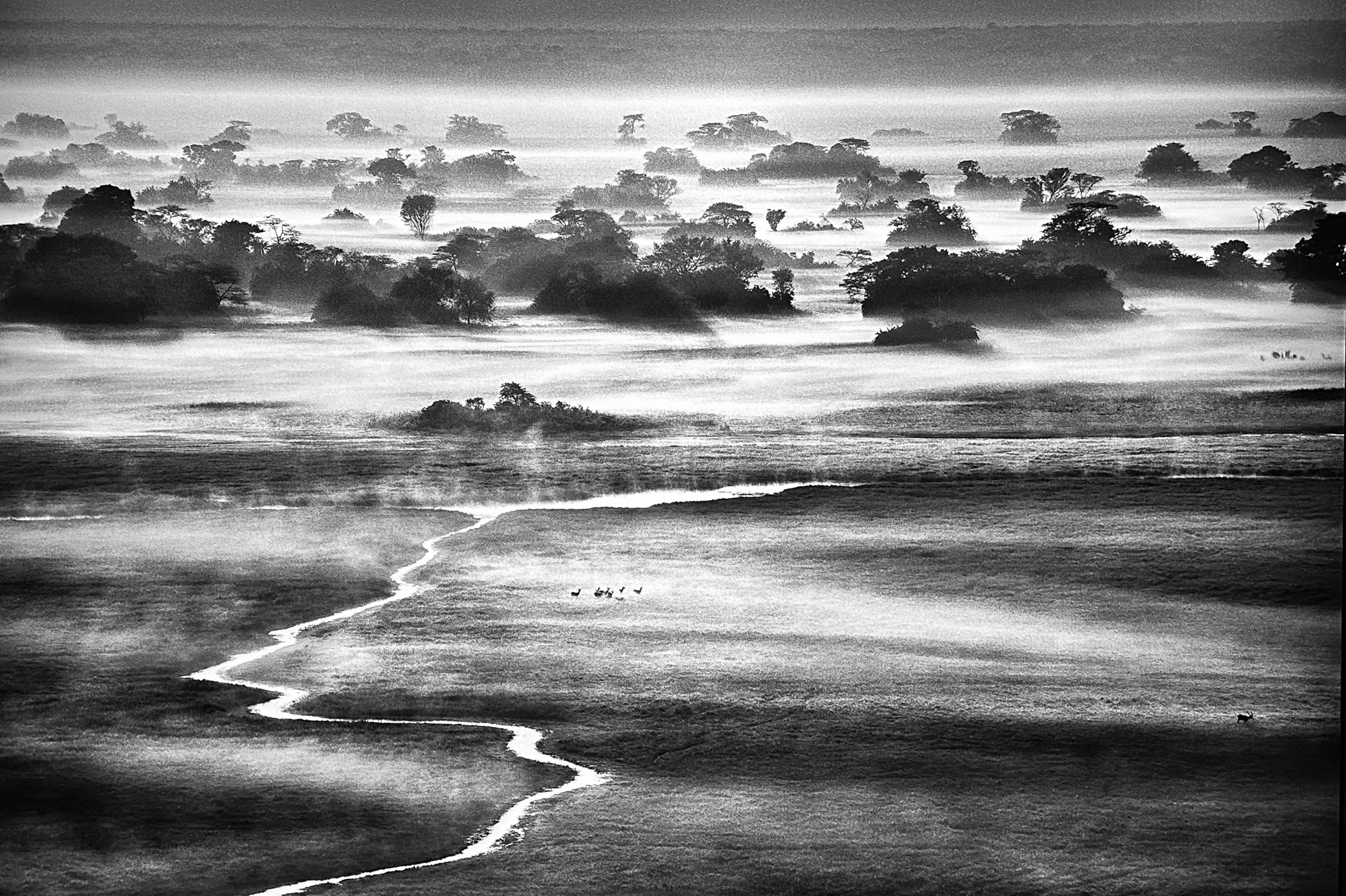


Salgado’s career is a testament to the power of photography as a medium to illuminate the human condition, to advocate for environmental preservation, and to inspire action. Through his lens, Salgado not only documents the world but also invites reflection on our shared humanity and the urgent need to protect our planet for future generations.

A couple of years ago I have discovered Salgado’s work through the film “The Salt of the Earth”, a poignant documentary film that offers an in-depth look into his life and work, directed by Wim Wenders and Sebastião’s son Juliano Ribeiro Salgado. Released in 2014, the film spans Salgado’s remarkable career over four decades, during which he traveled across the continents, witnessing some of the major events of recent history: international conflicts, starvation, migration, and more.
Through Salgado’s own lens, “The Salt of the Earth” explores his journey to capture humanity in its rawest form, focusing on the beauty and the cruelty he encountered along the way. The film also covers his ambitious Genesis project, a series dedicated to showcasing the unspoiled aspects of the planet and the animal kingdom, reflecting a more hopeful perspective on the world.
Moreover, “The Salt of the Earth” touches upon Salgado’s environmental restoration work with the Instituto Terra, highlighting his efforts to reforest part of the Brazilian rainforest. This deeply personal and visually stunning documentary not only showcases Salgado’s photographic masterpieces but also delves into his philosophy, motivations, and the transformative power of art and activism. It received critical acclaim, including an Academy Award nomination for Best Documentary Feature, and offers a moving, intimate portrait of a man who has dedicated his life to bearing witness to the human condition and the state of the Earth.
The film is available on streaming portals, so be sure to check it out!
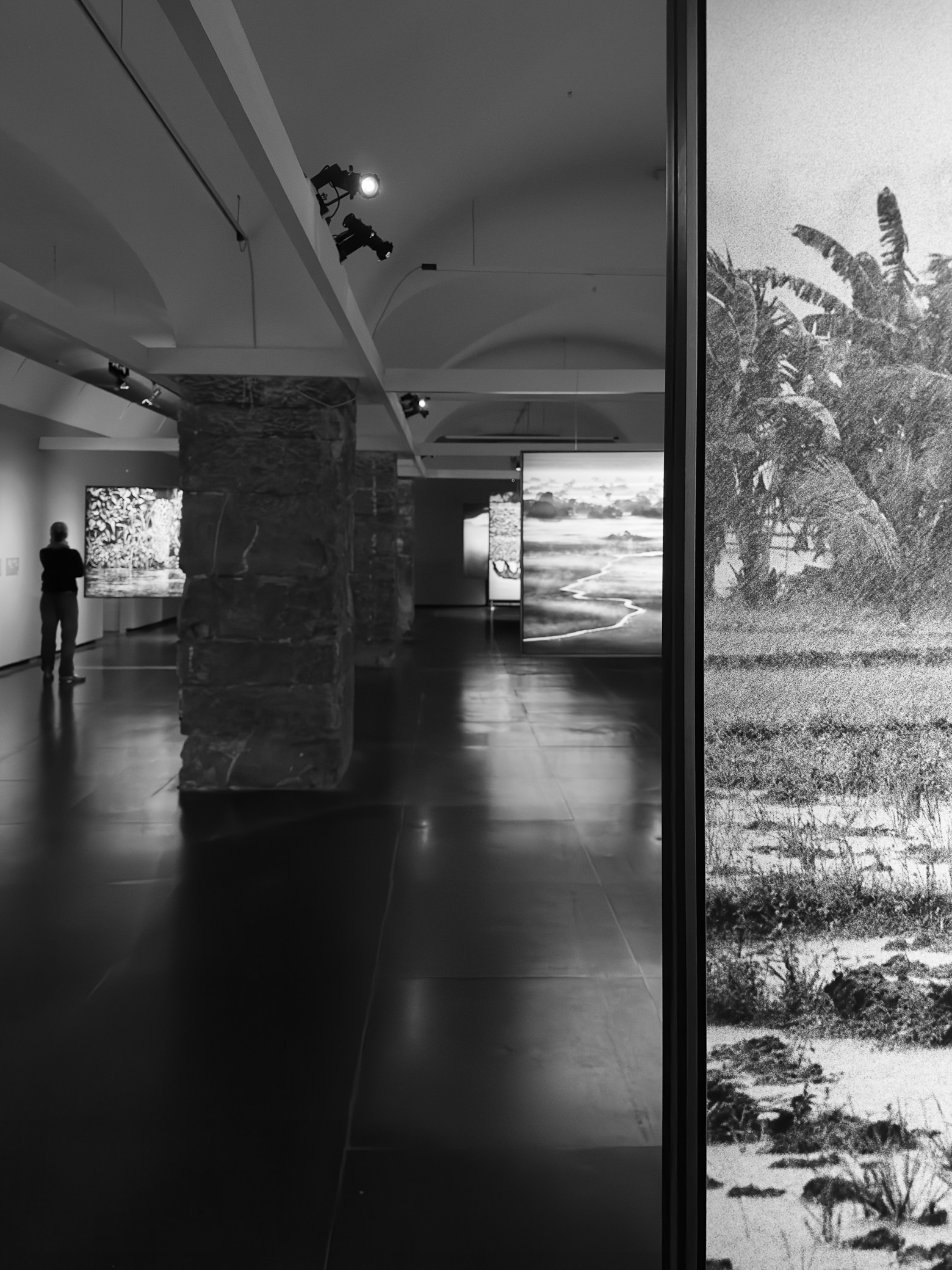
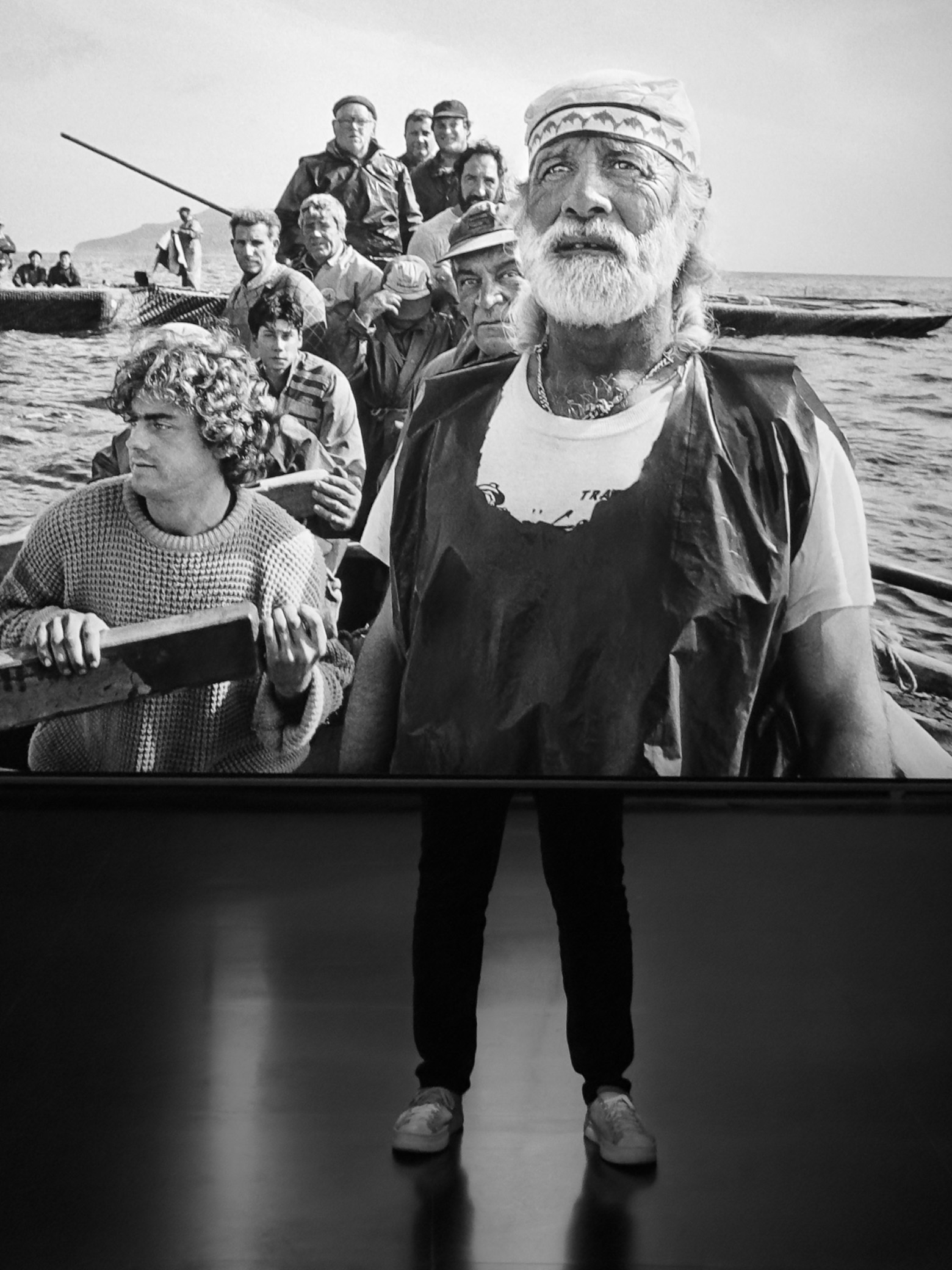


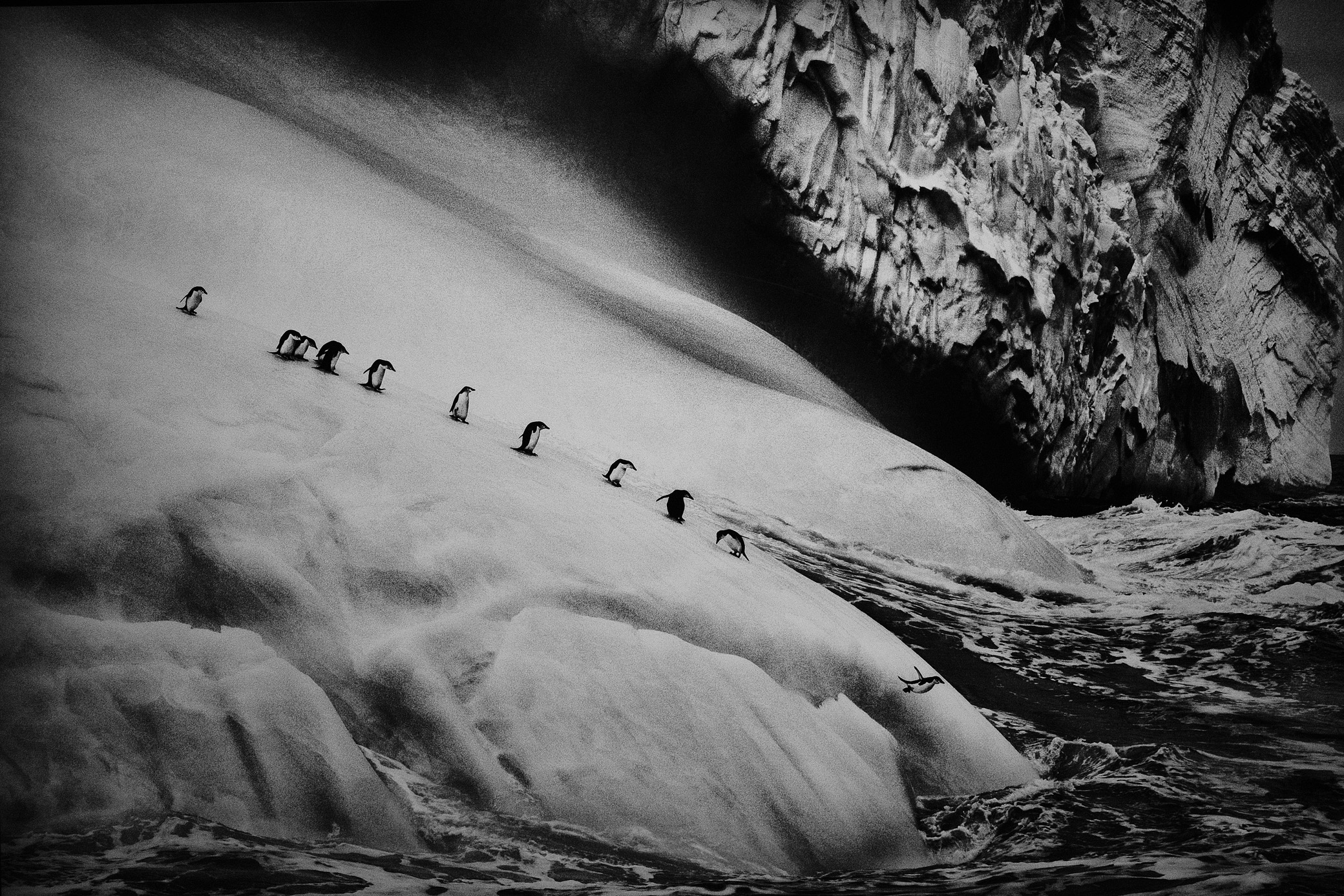
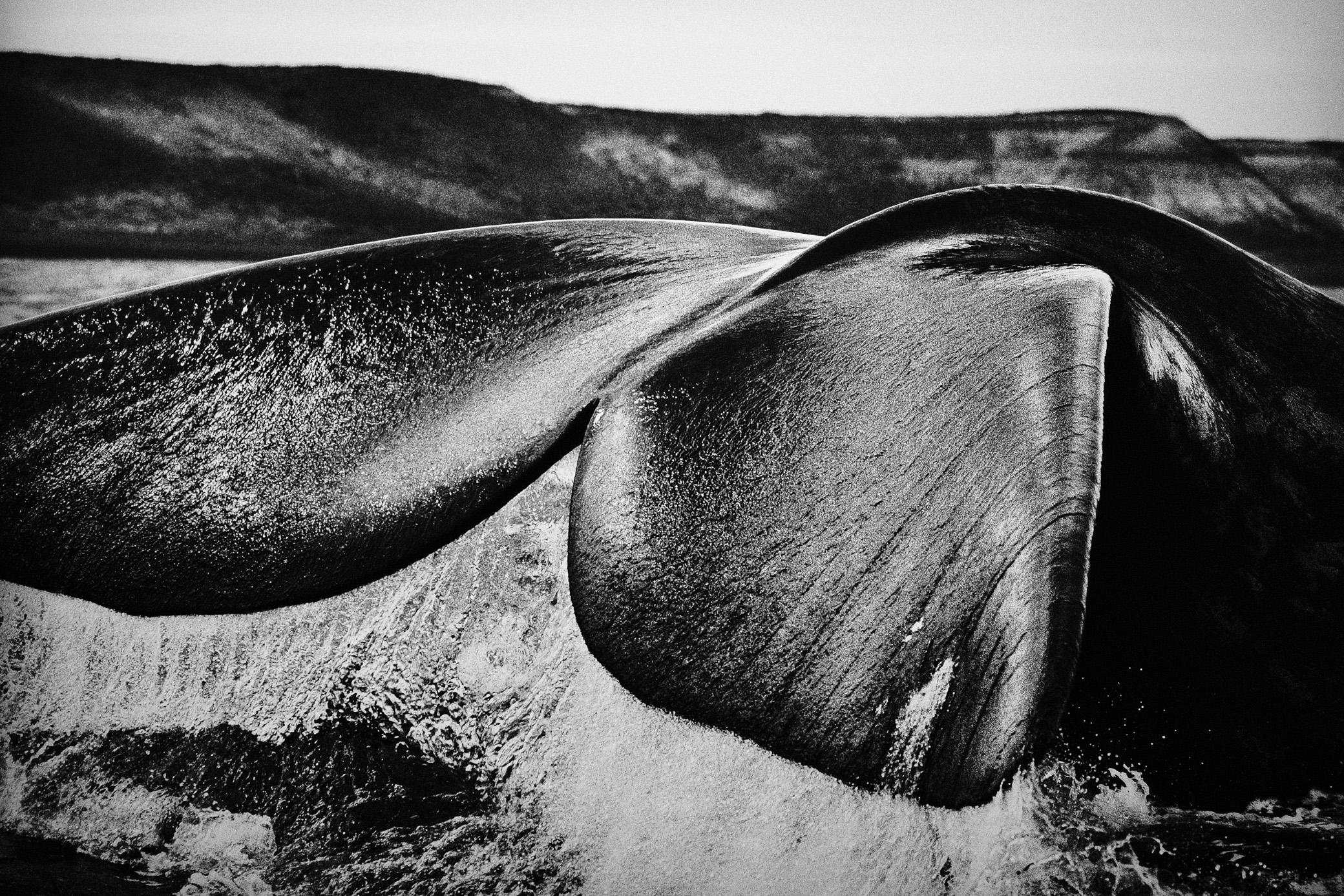
Sebastião Salgado’s “Aqua Mater” exhibition emerges from a deep contemplation on water and the environmental challenges it faces. This project showcases 42 meticulously chosen black and white photographs that delve into the intricate dynamics of human interaction with water across diverse settings around the globe. Curated by his wife Lélia Wanick Salgado, the truly striking installation presents a compelling view of nature and the impact of severe climate change on human communities.
Part of the exhibition is an immersive sound composition focused on the theme of water, specially crafted by François-Bernard Mâche from the Académie des Beaux-Arts in Paris. Visitors will also have access to an audio guide featuring Sebastião Salgado’s personal narratives and recollections linked to the displayed photographs.
The exhibition in Genoa’s Palazzo Ducale is running until July 14th and well worth a visit if you have a chance to see it.
I took these images with my my Fuji X-T2 and the Fujinon 18-55mm 1:2.8-4 and my iPhone 14 Pro. Some post processing in Lightroom Classic.
Have a great Monday
Marcus
Related Posts:


And, great what Salgado did for his native region!
So true! Thanks for taking the time to read and comment! Marcus
Salgado’s photography is certainly powerful
So true – thanks for commenting! Marcus
thank you very much for showing and commenting
Your are welcome, Gerda, happy you liked the post!
Wow, Marcus, this man’s work is very beautiful! So amazing, thank you for sharing this! Have a wonderful new week. 😎
Thanks, John! So glad you liked Salgado’s work! His b&w photography is awesome. Here in Germany, Easter Monday is a public holiday, so we get to enjoy a long weekend 😉
He is an! Enjoy holiday. ☺️