
“Silent Night Holy Night”. I’m fully aware that we are already a few days after the silent and holy night where Christ was born. And no, I’m not the die-hard Christmas fan who drags out the festive season as long as possible. Still, there was a good reason to write a blog post about the world’s arguably most famous Christmas carol. Because today, The Significant Other and I visited the place where it all started with the song that for all of us is the epitome of Christmas: “Silent Night, Holy Night”. To find out more, continue after the jump….
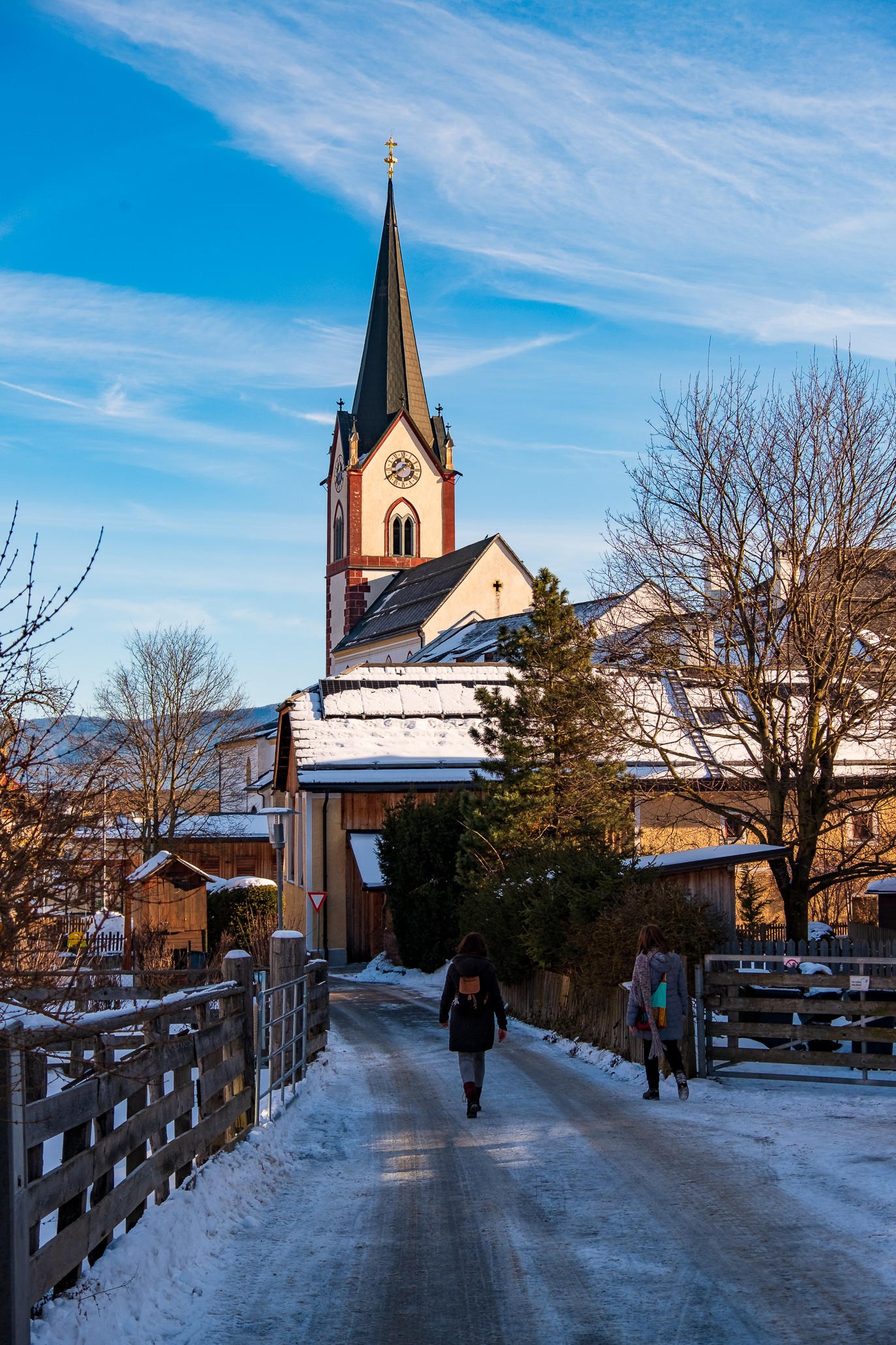
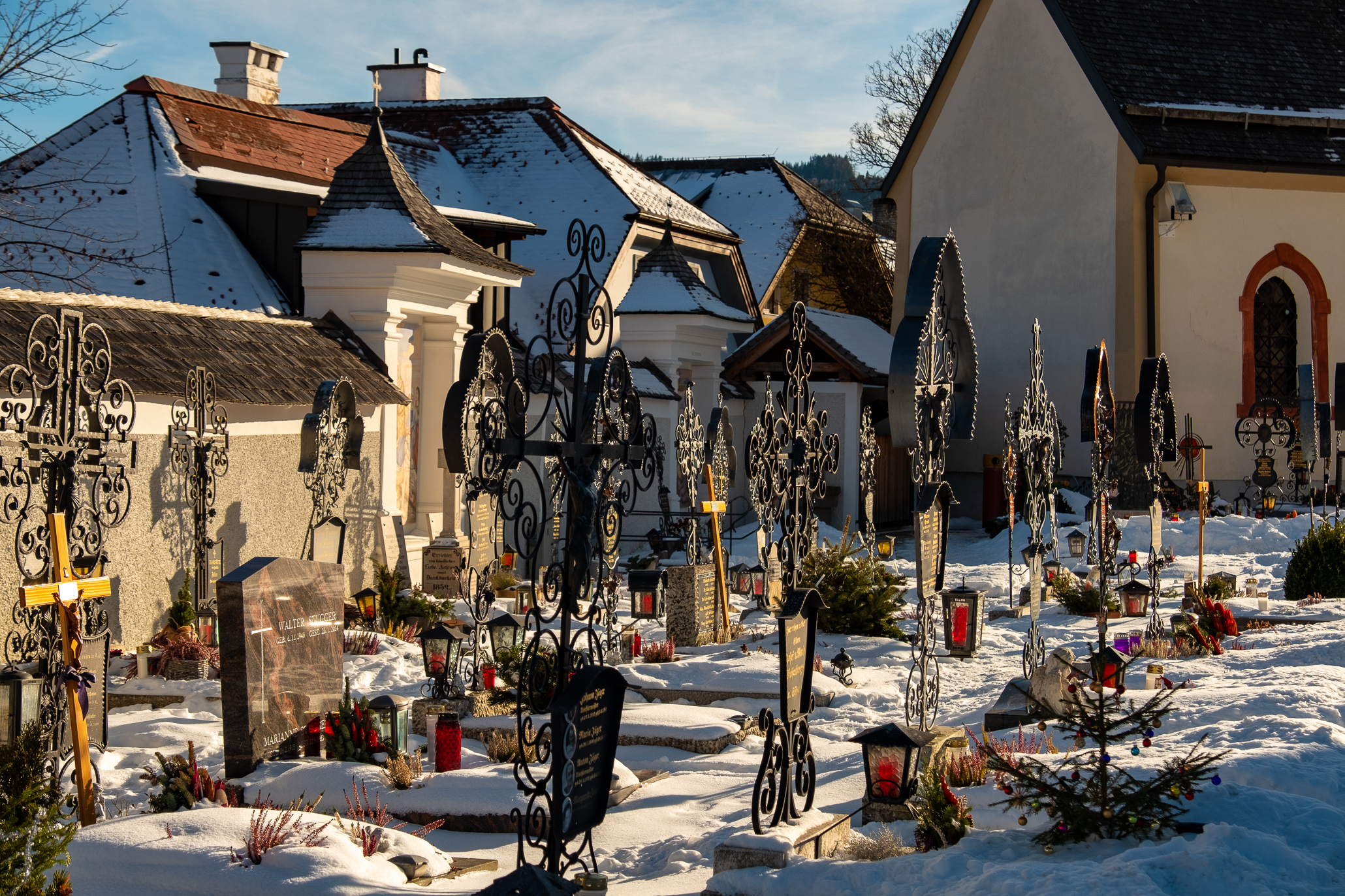
For more than twenty years, The Significant Other and I spend the days between Christmas and New Year at the house of a very dear and long friend in the Lungau Region south of Salisbury in Austria. Having arrived yesterday, we used the first perfect winter day for a little hike to the neighboring village of Mariapfarr.
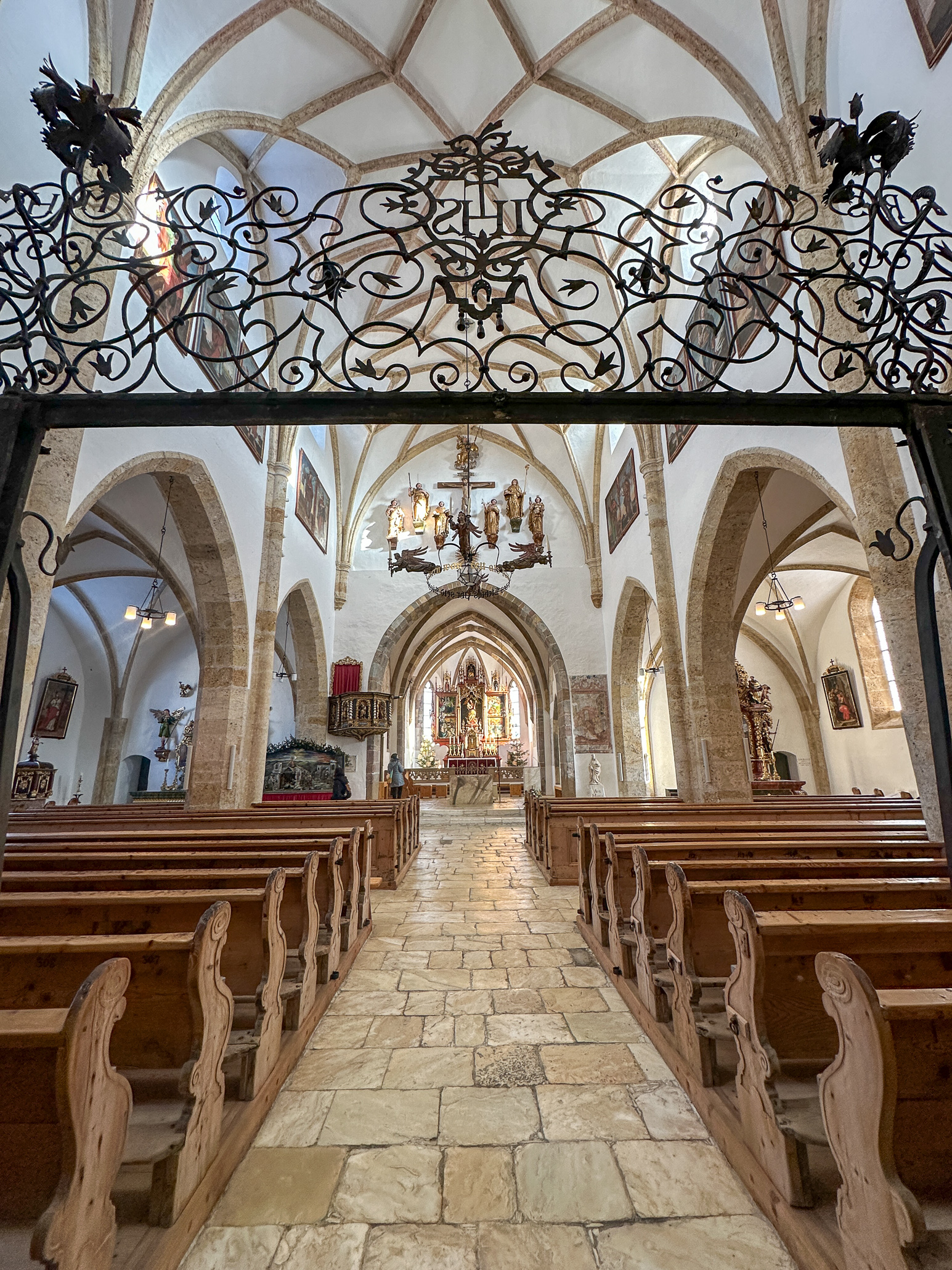
The parish church of “Unserer Lieben Frau”, which dominates the village today, was initially built around an earlier chapel as a Romanesque building in the 12th/13th century and later extended and rebuilt as a Gothic building in the 15th century. But the mother church of the Lungau region is also the birthplace of the world’s arguably most famous Christmas carol.
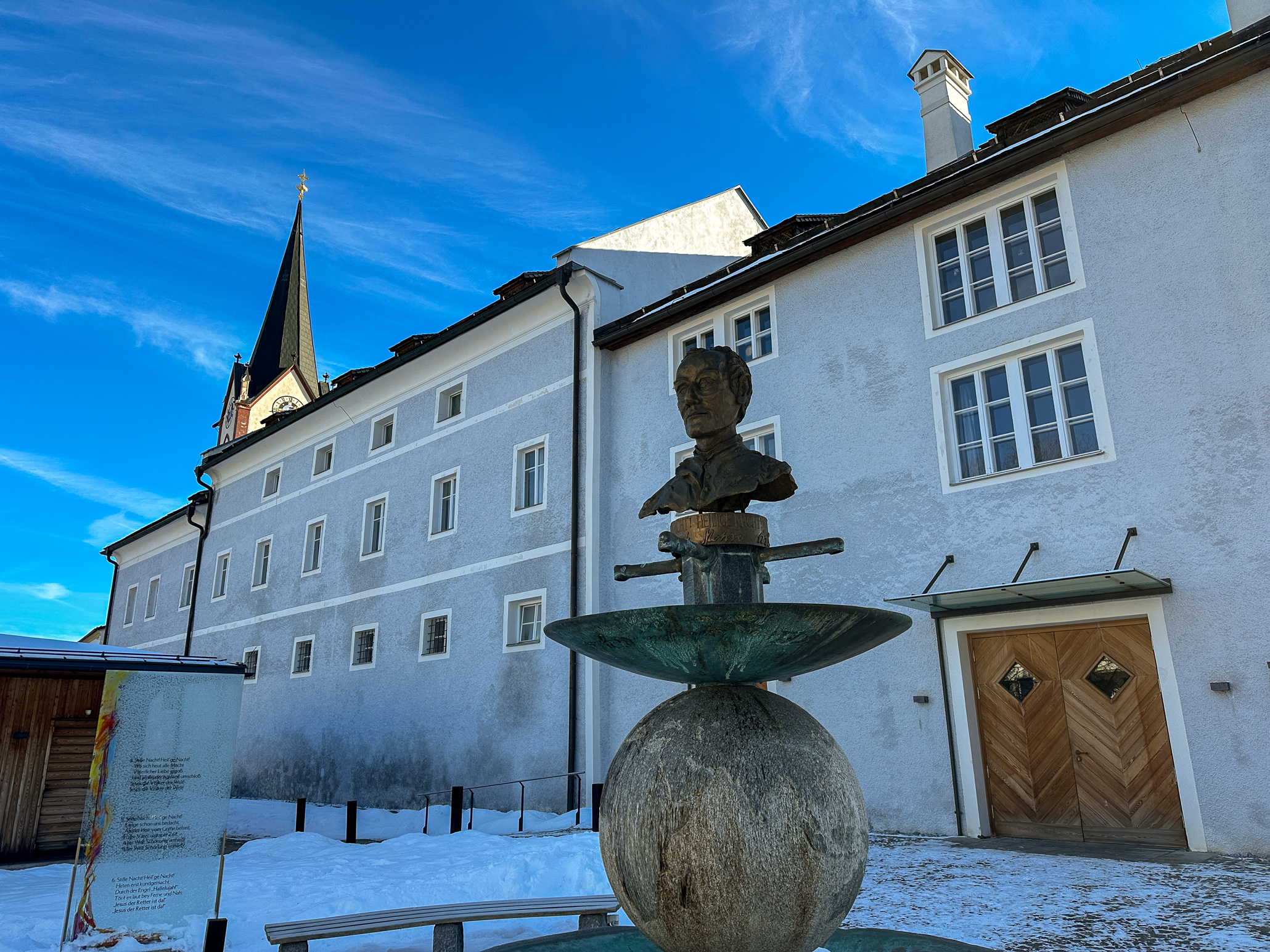
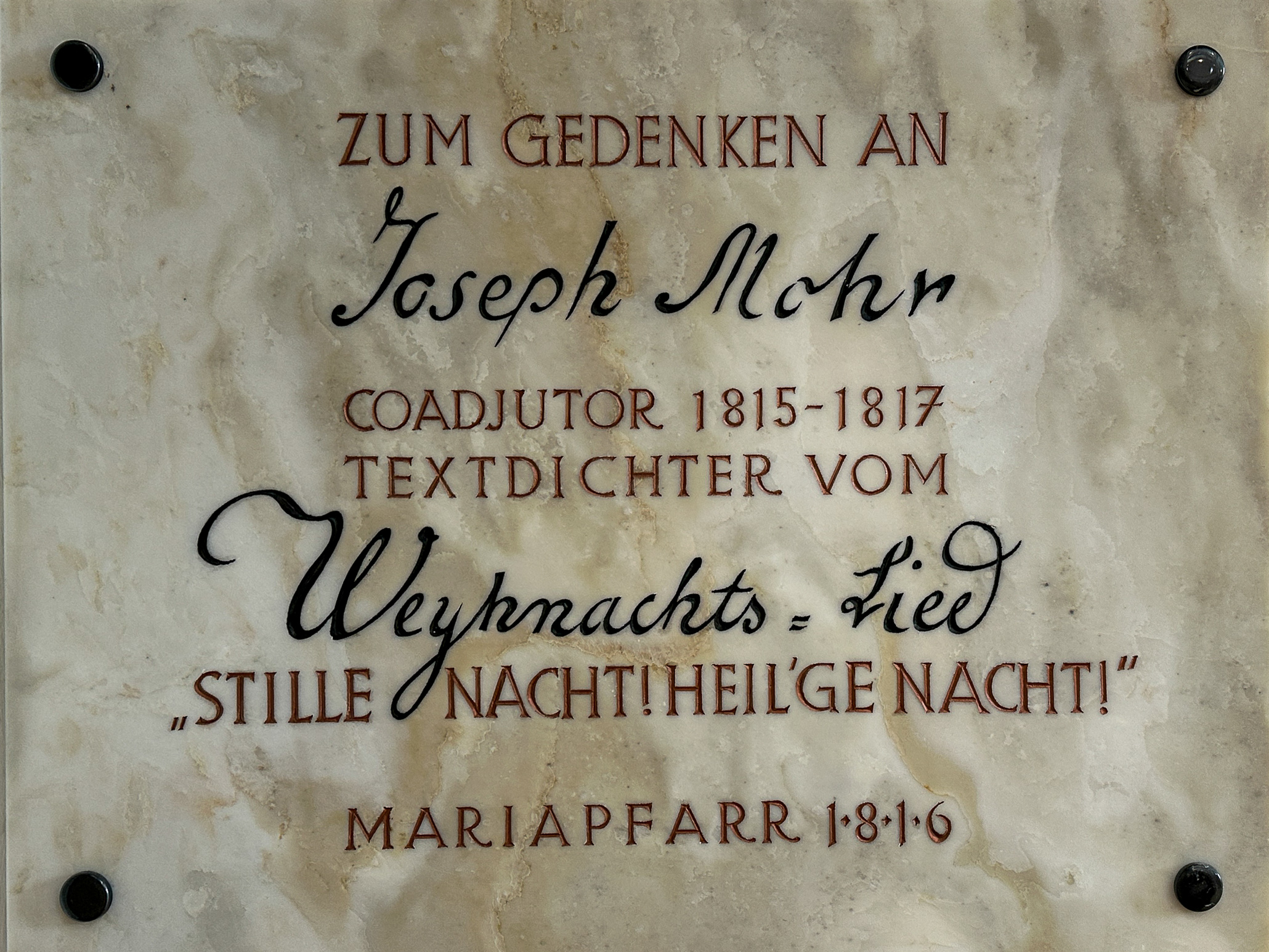
“Silent Night, Holy Night” originated at this very church in Mariapfarr, Austria, in 1816. Joseph Mohr, a young curate, wrote the lyrics during a time of hardship following the Napoleonic Wars. Inspired by the peaceful beauty of his surroundings and a desire to bring comfort to his parishioners, Mohr penned the poem in German, titled “Stille Nacht, Heilige Nacht.”
Two years later, while serving in Oberndorf, Austria, Mohr shared the poem with Franz Xaver Gruber, a local teacher and organist. On Christmas Eve in 1818, Gruber composed a simple yet moving melody for guitar accompaniment, as the church organ was broken. The carol was performed for the first time that night at St. Nicholas Church, with Mohr singing and Gruber playing.
“Silent Night” quickly spread beyond Austria, gaining worldwide fame. It was translated into hundreds of languages and became a symbol of peace and unity.
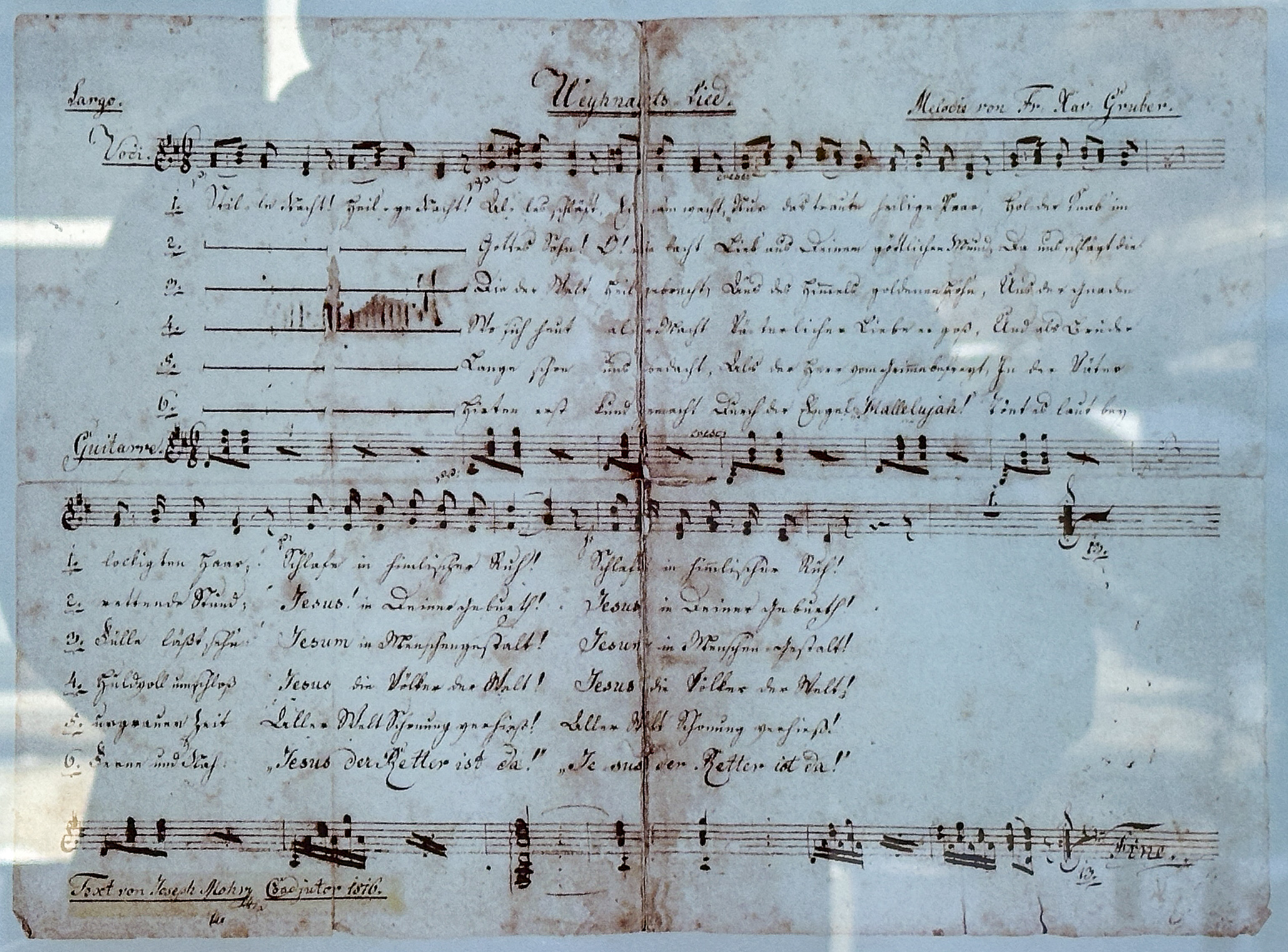
“Silent Night, Holy Night” became a beacon of light, even amidst the darkest times. In 1914, during the First World War, it famously brought temporary peace to the trenches when soldiers on both sides sang it together on Christmas Eve.
Though it began in the unassuming village of Mariapfarr and blossomed in Oberndorf, “Silent Night” until today remains the universal hymn of hope and one of the most cherished carols, celebrating the serene and holy essence of Christmas.
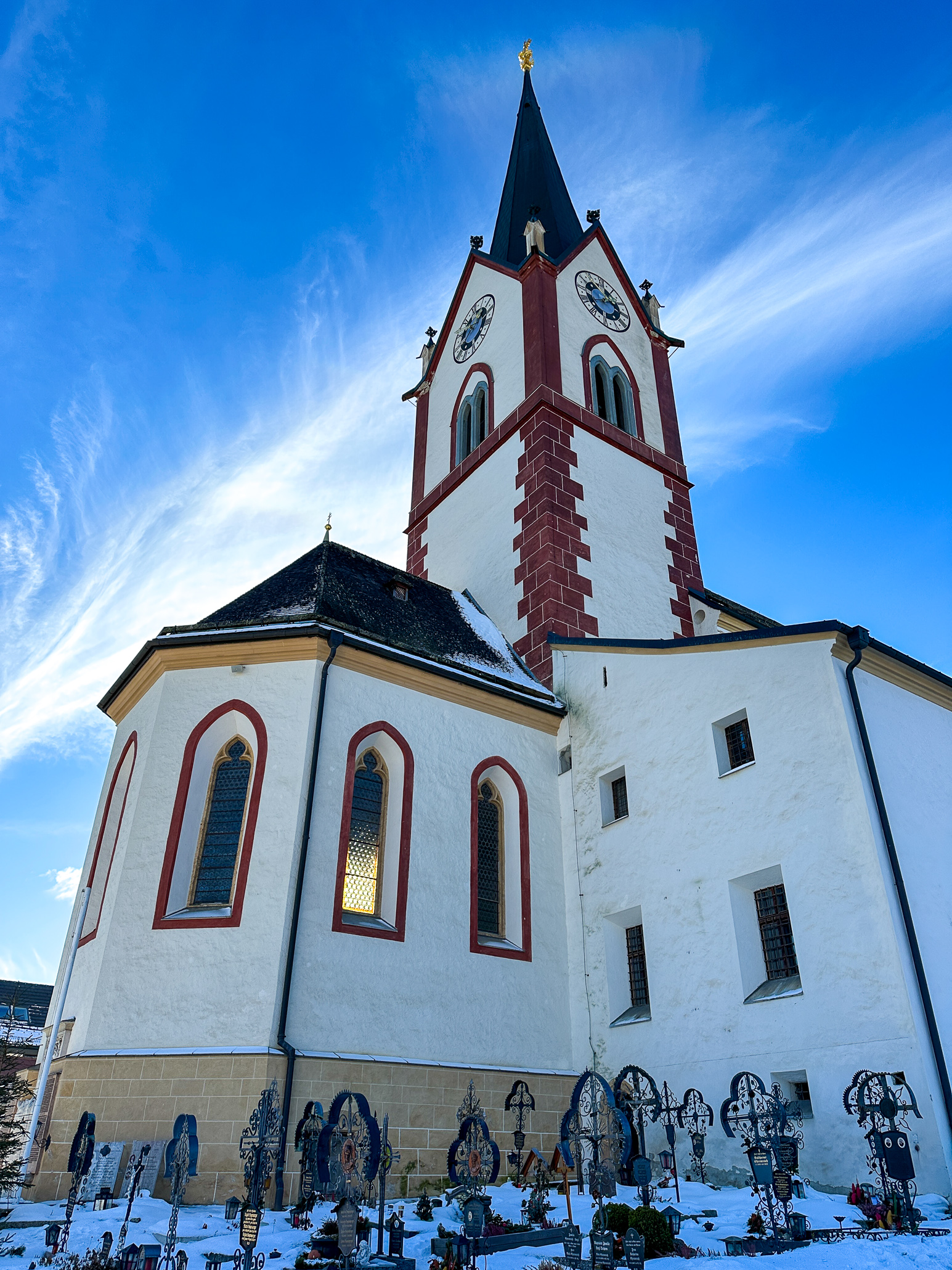

I hope you liked the little tour of the place where one of the most iconic carols of the world has been born.
The images were taken with the Fuji XT-2 with the Fujinon XF18-135mm F3.5-5.6 R LM OIS WR. Post-processing in Lightroom Classic.
Wish you a great Saturday
Marcus
Related Posts:
High Contrast Landscape Photography


Some very lovely photos. I especially like the church cemetery. While I am not religious, that song, Silent Night, has to be my favorite Christmas hymn. When I was younger, singing it at Mass on Christmas Eve never failed to bring a tear to my eyes. It’s such a beautiful, peaceful piece of music.
Thanks for your kind words and sharing your story, Julie, much appreciated!
Thank you for sharing the origins of such a much loved carol. Wishing you and your family a silent night, and a happy new year for 2025
Thank you so much, Jill, your kind wishes are so much appreciated and happily returned! Marcus
Enjoyed reading the post. Nice shots.
Thanks, Mike, your feedback is much appreciated 🙂 !
Wonderful Post
Thanks, Marland, so glad you liked the post!
You’re welcome!
Beautiful!
Thanks, so much appreciated! Marcus
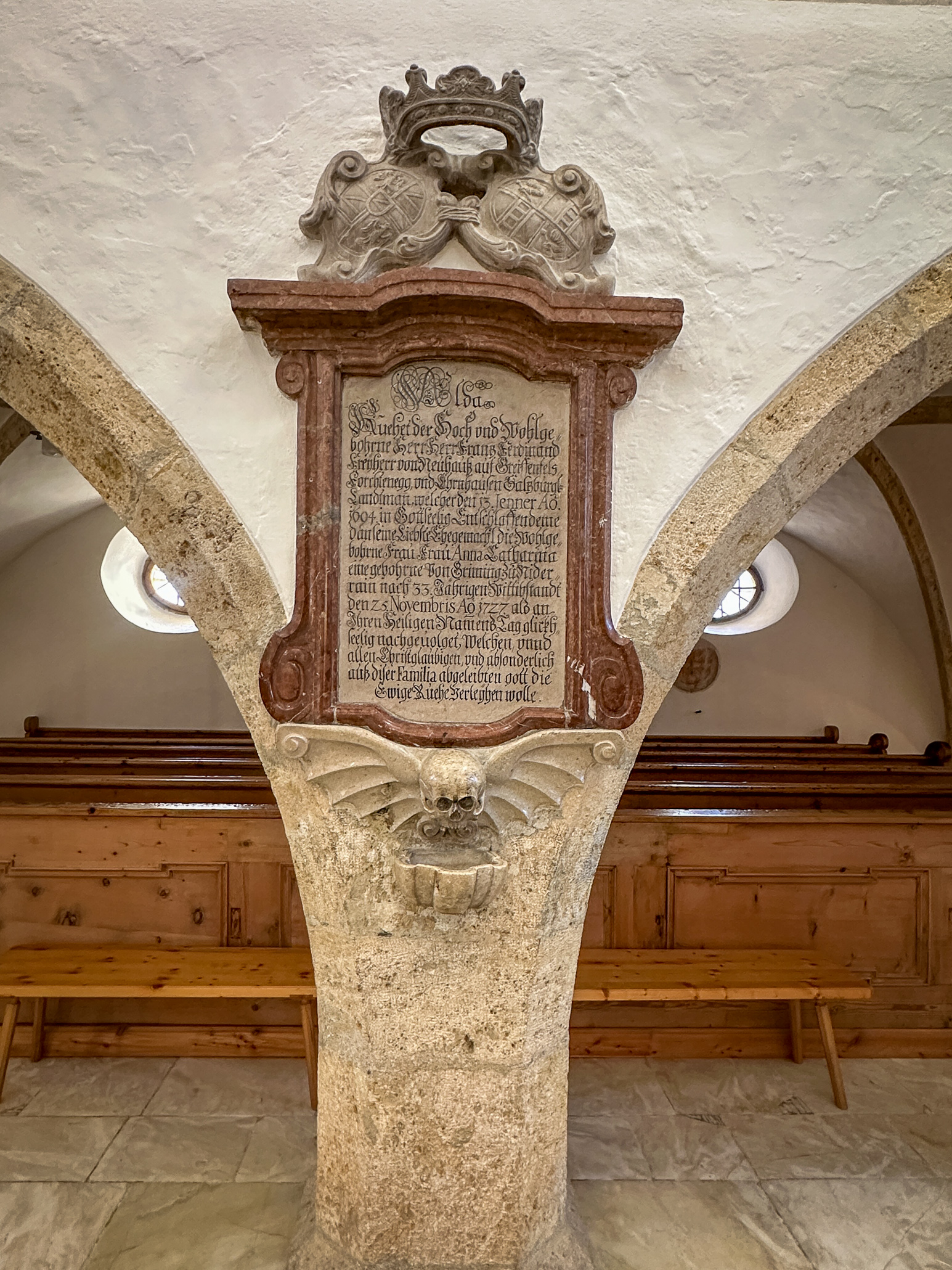
The church is very beautiful, Marcus! I wonder why there is a skull with wings under the plaque?
I thought this was a good question, John, so I Googled it. This is what Google said: “A skull with wings hovering over a bowl of holy water is a symbolic image often interpreted as representing the concept of mortality juxtaposed with spiritual cleansing or the transition from earthly life to the afterlife; the skull symbolizes death, while the wings signify ascension or the soul’s flight to heaven, with the holy water acting as a purifying element in this transition.”
Wow, that is just too complicated an answer by that author.
But Lois nailed it. The German text on the plaque refers to the death of a local nobleman in 1694, the artwork likely donated by his family.
Oh, okay. Thank you!
🙂
You nailed it, Lois! The plaque and the artwork refers to the death of a nobleman and was donated by his family.
A very fine post, dear Marcus! Thank you!
Thanks so much, Gerda, your kind words are highly appreciated! Marcus
Such a beautiful post Marcus, thank you so much for sharing this lovely story 😊
Thank you so much for your kind words, so glad you liked the post! Marcus